The Complete Guide to TCM Cupping Singapore: Benefits, Process & Why It’s Gaining Popularity
In recent years, holistic health trends have grown rapidly, and one therapy that continues to stand out is TCM Cupping Singapore. Known for its deep roots in Traditional Chinese Medicine (TCM), cupping has become a trusted wellness solution for people seeking natural pain relief, stress reduction, detoxification, and improved overall balance. Whether you’re dealing with persistent muscle stiffness, low energy, chronic fatigue, or simply looking to enhance your body’s natural healing ability, cupping therapy has become a preferred choice for many in Singapore.
What Is TCM Cupping?
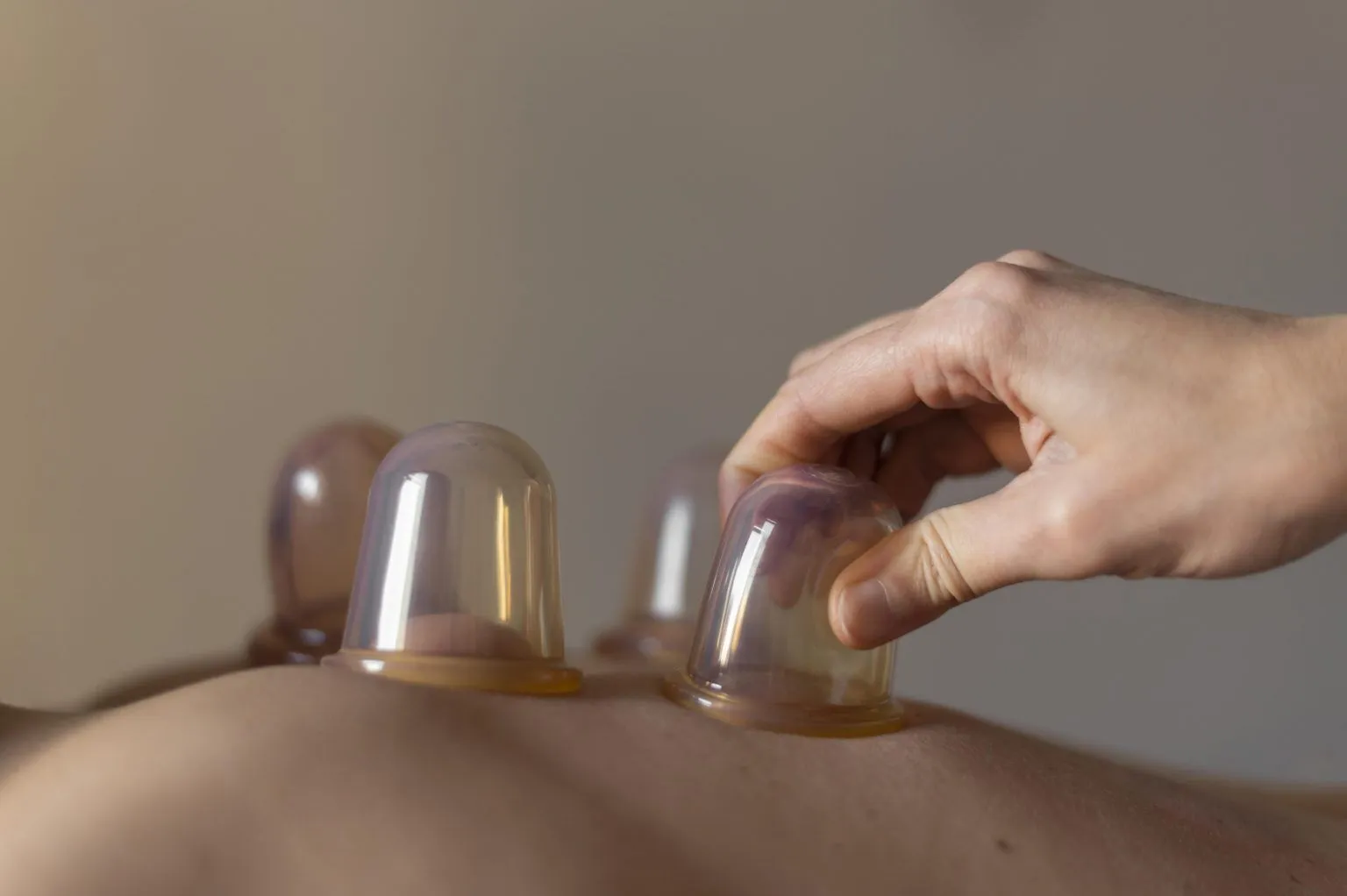
TCM cupping is an ancient therapeutic method that involves placing specially designed cups on the skin to create suction. This suction gently lifts the skin and tissues beneath, stimulating the flow of blood and Qi (energy), promoting detoxification, and releasing muscle tension.
Traditionally, cups were made of bamboo or glass, but today, practitioners widely use silicone and modern suction cups, making sessions more comfortable and versatile. The therapy is based on the principle of removing stagnation—areas of blocked energy or poor circulation—and restoring balance to the body.
In Traditional Chinese Medicine, pain is often seen as a sign of stagnation. Cupping helps “pull out” the stagnation and encourages the smooth flow of energy. This explains why cupping is especially popular for athletes, office workers with desk-bound strain, and individuals experiencing chronic pain.
Why TCM Cupping Is Increasingly Popular in Singapore
1. Effective Pain Relief
People often seek cupping therapy for muscle-related pains. The suction created during cupping promotes better blood circulation and releases tension deep within the muscles. This makes it highly effective for:
-
Back pain
-
Neck and shoulder stiffness
-
Sports injuries
-
Joint pain
-
Muscle knots
Many individuals experience immediate relief after a session, making it one of the most effective non-invasive pain management techniques.
2. Enhanced Blood Circulation
Poor circulation can lead to fatigue, cold limbs, body aches, and slow recovery from injuries. Cupping increases blood flow to targeted areas and helps rejuvenate tissues, allowing the body to repair itself more efficiently.
This revitalizing effect contributes to improved mobility and flexibility.
3. Detoxification and Lymphatic Drainage
The suction created by cupping encourages the removal of toxins and metabolic waste from the body. This natural detoxification helps:
-
Strengthen the immune system
-
Support healthy metabolism
-
Reduce inflammation
-
Improve skin health
People who feel sluggish or low in energy often benefit from this detoxifying effect.
4. Stress Relief and Relaxation
Modern life in Singapore is fast-paced and demanding. Cupping therapy helps calm the nervous system, promote relaxation, and release physical tension caused by stress. Many individuals report feeling lighter and more relaxed after each session.
5. Support for Respiratory & Digestive Health
In TCM principles, cupping is believed to help improve:
-
Coughs or congestion
-
Breathlessness
-
Digestive disorders
-
Bloating
-
Slow metabolism
By stimulating meridian points on the back and abdomen, cupping aids internal organ function and helps regulate the body’s natural processes.
Types of Cupping Techniques Used in Singapore
1. Dry Cupping
The most common form, where cups are placed on the skin and remain stationary for several minutes. Ideal for muscle pain and general wellness.
2. Fire Cupping
A traditional technique where heat is used to create suction before the cup is applied. This method penetrates deeper into tissues and offers intense therapeutic benefits.
3. Sliding or Gliding Cupping
Oil is applied to the skin, and cups are gently moved across the body. This combines cupping with massage, providing deep relaxation and muscle release.
4. Wet Cupping (Bloodletting Cupping)
A more intense technique where tiny incisions are made to remove stagnant blood. This method is typically used for severe stagnation or chronic pain.
5. Air Cupping
Uses a pump instead of fire to create suction. This technique is gentler and suitable for people with sensitive skin.
What to Expect During a Cupping Session
1. Consultation
The session begins with a full health evaluation to understand your symptoms, lifestyle, and overall constitution based on TCM diagnosis methods.
2. Treatment Process
The practitioner applies cups to selected areas such as:
-
Back
-
Shoulders
-
Neck
-
Legs
-
Abdomen
The cups stay in place for about 5–15 minutes depending on the individual’s condition.
3. Sensation During Cupping
You may feel:
-
Tightness
-
A pulling sensation
-
Warmth
-
Relaxation
Most people describe it as therapeutic and soothing.
4. Marks After Cupping
Circular marks may appear after treatment. These marks are not bruises; they represent areas of stagnation pulled to the surface. The darker the mark, the more stagnation was present.
These marks typically fade within a few days.
5. Aftercare Recommendations
To maximize the benefits:
-
Drink plenty of water
-
Avoid cold showers immediately after
-
Rest for the remainder of the day
-
Keep the treated area warm
-
Avoid strenuous exercise for 24 hours
Following these steps helps the body recover and enhances the detoxification process.
Safety & Precautions
TCM cupping is generally safe, but it must be performed by a trained and licensed practitioner. Some precautions include:
-
Avoid cupping on broken or infected skin
-
People with bleeding disorders should seek medical advice first
-
Pregnant women should avoid certain cupping areas
-
Individuals with severe skin sensitivity should choose gentler cupping methods
-
If you experience dizziness or discomfort, inform the practitioner immediately
When performed correctly, cupping is a therapeutic and deeply relaxing experience.
Who Should Consider TCM Cupping?
TCM cupping is suitable for individuals who experience:
-
Chronic pain
-
Back or neck stiffness
-
Sports-related injuries
-
Fatigue or low energy
-
Poor blood circulation
-
Stress or anxiety
-
Digestive issues
-
Sleep irregularities
It is also beneficial for people who want to maintain overall wellness and balance.
How Often Should You Do Cupping?
Frequency varies depending on your condition:
-
For chronic pain: 1–2 sessions per week initially
-
For general wellness: once every 2–4 weeks
-
For detoxification: monthly sessions
-
For athletes: regular cupping sessions for recovery
Your practitioner will tailor the schedule according to your body’s needs and healing response.
Why TCM Cupping Remains a Trustworthy Therapy in Singapore
Singapore places strong emphasis on medical regulation and practitioner standards. TCM practitioners undergo professional training and follow strict safety guidelines. This ensures that treatments such as cupping are performed with expertise, hygiene, and care.
Moreover, as the community embraces natural and holistic health approaches, cupping continues to grow in popularity for its ability to offer fast, effective, and long-lasting relief without medication or invasive procedures.
Conclusion
TCM cupping has become a powerful and trusted therapy in Singapore for individuals seeking natural healing and balanced wellness. Whether you’re struggling with chronic pain, stress, poor circulation, or simply want to improve your overall well-being, cupping offers a gentle yet effective solution grounded in centuries of traditional wisdom.
With its ability to restore the smooth flow of Qi, detoxify the body, enhance circulation, and promote relaxation, cupping stands as one of the most beneficial and accessible holistic treatments available today.
If you’re looking to experience better health, deeper relaxation, and long-term vitality, TCM cupping may be the perfect therapy to begin your wellness journey.