TCM Tuina Singapore: Harnessing Ancient Healing in a Modern City
In recent years, TCM Tuina Singapore has emerged as a sought-after therapeutic option for many seeking holistic relief from pain, stress, and chronic ailments. Drawing upon the rich legacy of Traditional Chinese Medicine (TCM), Tuina literally “push and grasp” is a hands-on manipulation therapy that blends acupressure, soft tissue mobilization, joint manipulation, and energetic balancing. In Singapore’s fast-paced, high-stress environment, Tuina has gradually gained popularity not only as a complementary wellness modality, but also as a clinical option within registered TCM clinics offering integrative approaches to health.
What Is Tuina? Origins and Principles
Tuina (推拿, tuī ná) is a core branch of Traditional Chinese Medicine, often used in conjunction with acupuncture, herbal medicine, cupping, moxibustion, and Qigong. The name comes from the two Chinese characters “tui” (to push) and “na” (to lift or grasp). Therapists apply targeted hand techniques — pushing, kneading, rolling, pressing, stretching, or tapping to manipulate muscles, tendons, ligaments, and meridian channels, with the aim of restoring smooth flow of Qi (energy) and blood.
In TCM theory, many illnesses and pain conditions stem from stagnation or blockages of Qi and blood, or from imbalance between yin and yang forces. By opening meridians, releasing adhesions, correcting structural imbalances, and stimulating acupoints, Tuina seeks to remove blockages, relieve tension, and enable the body’s self-healing mechanism to function.
Historically, Tuina has also been included in pediatric and internal medicine protocols, where gentle manipulations over specific meridians help improve digestion, immunity, respiratory function, and general vitality in children.
Why Choose TCM Tuina in Singapore?
Singapore’s robust TCM ecosystem—complete with regulated practice standards, licensed practitioners, and integrated clinics—makes it an environment conducive to high-quality Tuina care. There are several factors elevating Tuina’s appeal:
1. Holistic & Individualised Treatment
Unlike a generic massage, TCM Tuina treatments are tailored per individual based on a full TCM diagnosis: pulse reading, tongue inspection, energy imbalances, and symptom history. The therapist or TCM physician will map out a tailored plan designed not just to relieve symptoms, but to address the root cause (e.g. meridian obstruction, internal imbalance, structural misalignment).
2. Non-Invasive Yet Deep Therapeutic Effect
Tuina can act deeply without requiring needles or injections. It reaches tissues, joints, and energy lines using only manual techniques. This makes it a good option for those who may be needle-averse but still want effective manual therapy.
3. Effective for Common Urban Health Complaints
Singapore’s modern lifestyle—long hours at desks, frequent screen time, stress, and limited physical activity—often leads to neck/shoulder pain, back stiffness, headaches, poor circulation, and fatigue. Tuina is particularly adept at relieving musculoskeletal tension, enhancing flexibility, boosting circulation, and alleviating discomfort in these areas.
4. Supports Chronic Conditions & Maintenance
Beyond acute pain, many TCM clinics in Singapore integrate Tuina into long-term care for chronic issues such as sciatica, knee pain, frozen shoulder, insomnia, migraines, digestive imbalance, and stress disorders. Because Tuina addresses circulation, connective tissue, and energy flow, regular sessions can act as preventive maintenance.
5. Complementary to Other TCM Modalities
In Singapore, it’s common for Tuina to be combined with acupuncture, cupping, herbal prescriptions, and lifestyle counseling in a holistic TCM program. This integrated model tends to provide more comprehensive relief.
What Happens During a Tuina Session?
A typical TCM Tuina session in Singapore might proceed as follows:
-
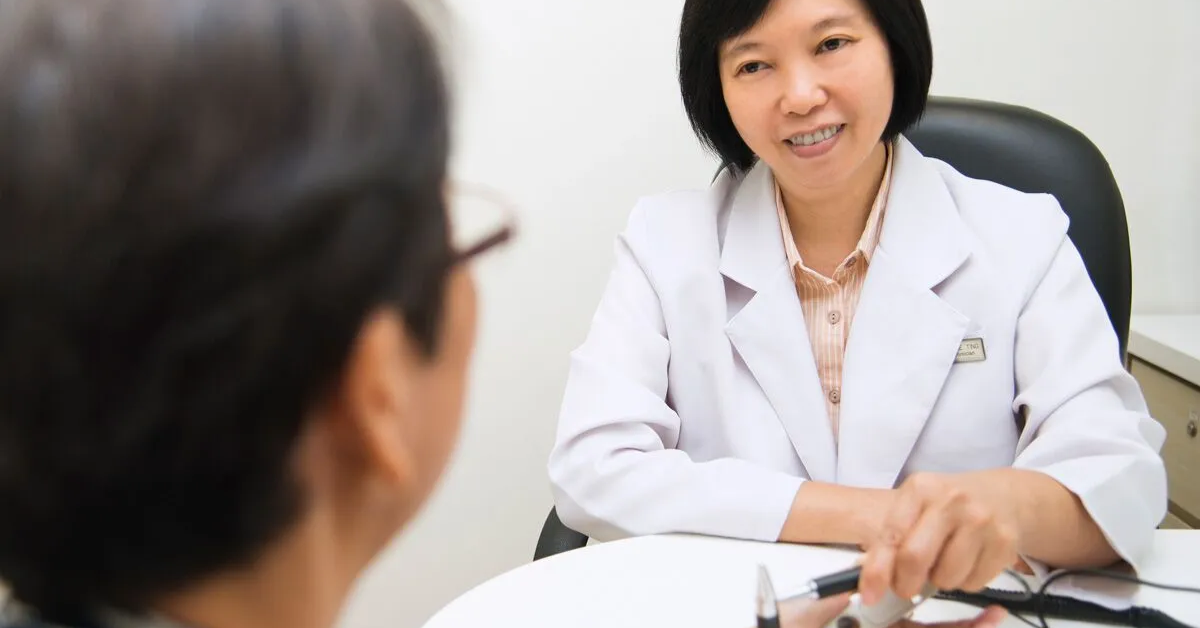
Consultation & Diagnosis
The TCM physician or therapist will ask about your health history, complaints, lifestyle, and conduct pulse and tongue inspections. This helps identify which meridians or organs are affected. -
Treatment Planning
A plan is drawn up targeting particular areas and energy meridians, deciding which techniques to use, intensity, and duration. -
Manual Manipulation
You may lie prone, supine, or sit depending on which parts are being treated. The therapist applies pressing, kneading, rolling, stretching, grasping, tapping, or joint mobilization along meridian lines, acupoints, and soft tissues. -
Focus on Affected Zones
More attention is given to painful or blocked regions. Techniques may be firmer or slower. For joint misalignment or dysfunction, gentle adjustment or traction may be used. -
Post-Treatment Advice
After treatment, the practitioner may advise gentle stretching, avoiding cold exposure, drinking warm fluids, and follow-up frequency. -
Follow-ups
Multiple sessions may be needed, especially for chronic or deep-seated conditions.
Session durations vary (commonly 30 to 60 minutes) and the intensity is adjusted per your tolerance and condition.
After a session, mild soreness, tissue warmth, or slight redness may occur normal indicators that circulation has been activated. If discomfort persists or stronger reactions emerge, one should consult the therapist or physician.
Conditions & Benefits Attributable to Tuina
While clinical evidence is still growing, many practitioners and clients in Singapore report positive outcomes across a variety of conditions. Some of the commonly addressed issues include:
-
Musculoskeletal & Joint Pain: neck pain, shoulder stiffness, back pain, sciatica, frozen shoulder, knee pain, sprains and strains.
-
Postural & Sedentary Strain: alleviating the effects of long hours at a desk, repetitive strain, tension in upper back and shoulders.
-
Sport & Injury Rehabilitation: assisting recovery from sports injuries by improving mobility, reducing swelling, and restoring flexibility.
-
Stress, Anxiety & Sleep Issues: promoting relaxation, calming the nervous system, improving circulation to reduce fatigue, and facilitating better rest.
-
Chronic Headaches & Migraines: especially tension-type headaches tied to neck and shoulder tension, by targeting associated acupoints and meridians.
-
Digestive, Respiratory & Internal Conditions: by influencing related meridians, Tuina may support digestive wellness, relieve bloating or constipation, and even assist respiratory function in mild cases.
In addition, many users experience improved circulation, reduced muscle stiffness, enhanced range of motion, and a general sense of rejuvenation.
Safety, Contraindications & Best Practices
While Tuina is generally safe under a qualified practitioner, there are precautions and conditions when it is best avoided or performed with caution:
-
Acute fractures, open wounds, infections, skin lesions, severe osteoporosis, or bleeding disorders
-
Pregnancy, especially in early stages careful modifications or avoidance may be needed
-
Serious heart, lung, or kidney disease, or unstable medical conditions
-
Severe inflammation, fever, or acute illnesses
Always inform your therapist of any underlying health issues, medications, or recent surgeries. A qualified TCM clinic or physician should undertake the assessment and customize the technique accordingly.
To get optimal benefit:
-
Maintain a series of sessions, especially for chronic conditions
-
Combine Tuina with herbal support, lifestyle changes, exercise and other TCM therapies
-
Stay well-hydrated, rest afterward, avoid cold showers or overexertion
-
Communicate with the therapist about discomfort or pain thresholds
How to Choose a Tuina Clinic or Therapist in Singapore
Given the growing interest in TCM Tuina Singapore, selecting the right clinic and practitioner is vital for a safe and effective experience. Here are some criteria to look for:
-
Regulation & Licensing
In Singapore, TCM practitioners must be registered with the Traditional Chinese Medicine Practitioners Board (TCMPB), which ensures standards of competency and professional conduct. -
Clinic Reputation & Reviews
Look up clinics known for integrative TCM services (e.g. those reviewed in wellness directories) and check client feedback. -
Qualified Therapist / Physician Combination
Prefer clinics staffed by TCM physicians with formal training who oversee the Tuina treatment, rather than purely massage technicians. Some clinics in Singapore emphasize this model. -
Holistic Integration
Clinics that offer acupuncture, herbal consultation, cupping, and lifestyle guidance often provide more cohesive care. -
Comfort & Cleanliness
The therapy space should be comfortable, clean, and well-maintained. -
Transparent Pricing & Consultative Approach
Good clinics offer clear pricing structures and conduct pre-treatment consultations.
The Future of TCM Tuina in Singapore
As Singapore continues to embrace integrated and preventive healthcare, TCM Tuina is poised to grow further. With increasing research on manual therapies, cross-disciplinary collaboration (e.g. between TCM and physiotherapy), and rising consumer interest in natural, low-side-effect healing, Tuina stands at an intersection of tradition and innovation.
Some trends that may emerge:
-
Clinical studies & evidence-based validation: More trials examining Tuina’s efficacy in pain, mobility, and chronic disease
-
Hybrid care models: Integrating Tuina with physiotherapy tools, digital health tracking, and tele-TCM follow-ups
-
Customized protocols: More fine-tuned techniques depending on body type, lifestyle, and genetic factors
-
Preventive wellness packages: Regular Tuina maintenance plans for urban professionals seeking balance
Conclusion
In the dynamic, high-stress world of Singapore, TCM Tuina Singapore offers an elegant bridge between ancient healing wisdom and modern wellness needs. By combining manual manipulation with energetic balancing, it addresses not only musculoskeletal pain but also systemic and stress-related imbalances. As Singapore continues strengthening regulatory standards and integrative care models, more people are discovering Tuina’s value as a gentle, non-invasive, holistic modality.
If you are considering TCM Tuina, choose a reputable clinic with registered TCM physicians, be consistent with sessions, and integrate supportive lifestyle changes to fully unlock the benefits. Over time, Tuina can become not just a therapy, but a supportive pillar in your health and wellness journey.